Coolant Testing for Agricultural Equipment: How to Prevent Overheating and Engine Failure
- coolant test
- cost
- predictive maintenance
- reliability strategy
- coolant supply pressure
- engine failure
- agricultural equipment
Learn practical cooling system checks and coolant testing that help protect tractors, combines, and other agricultural equipment from engine failure.
Regular, systematic cooling system testing can help prevent overheating-related engine damage in tractors, combines, sprayers, and other farm machinery. Below is a detailed overview of key testing methods, ranging from simple field checks to more advanced diagnostics. Perform these checks with the engine cold unless otherwise specified, and always follow the manufacturer’s recommended pressures, intervals, and procedures (for example, John Deere, Case IH, AGCO, or Kubota guidance).
Visual and Basic Inspections (Daily/Pre-Season)
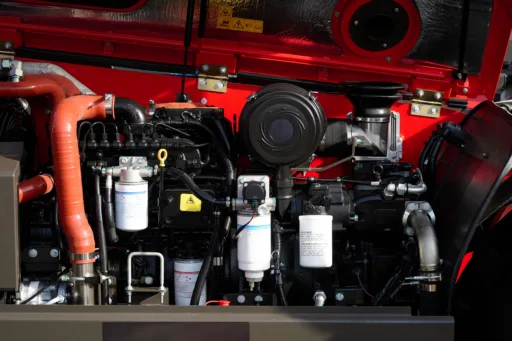
- Check coolant level in the reservoir or radiator (when cold).
- Inspect for external leaks around hoses, clamps, radiator, water pump, and heater cores.
- Look for signs of coolant contamination (oil film, rust, or milky appearance).
- Examine hoses for cracks, swelling, softness, or brittleness.
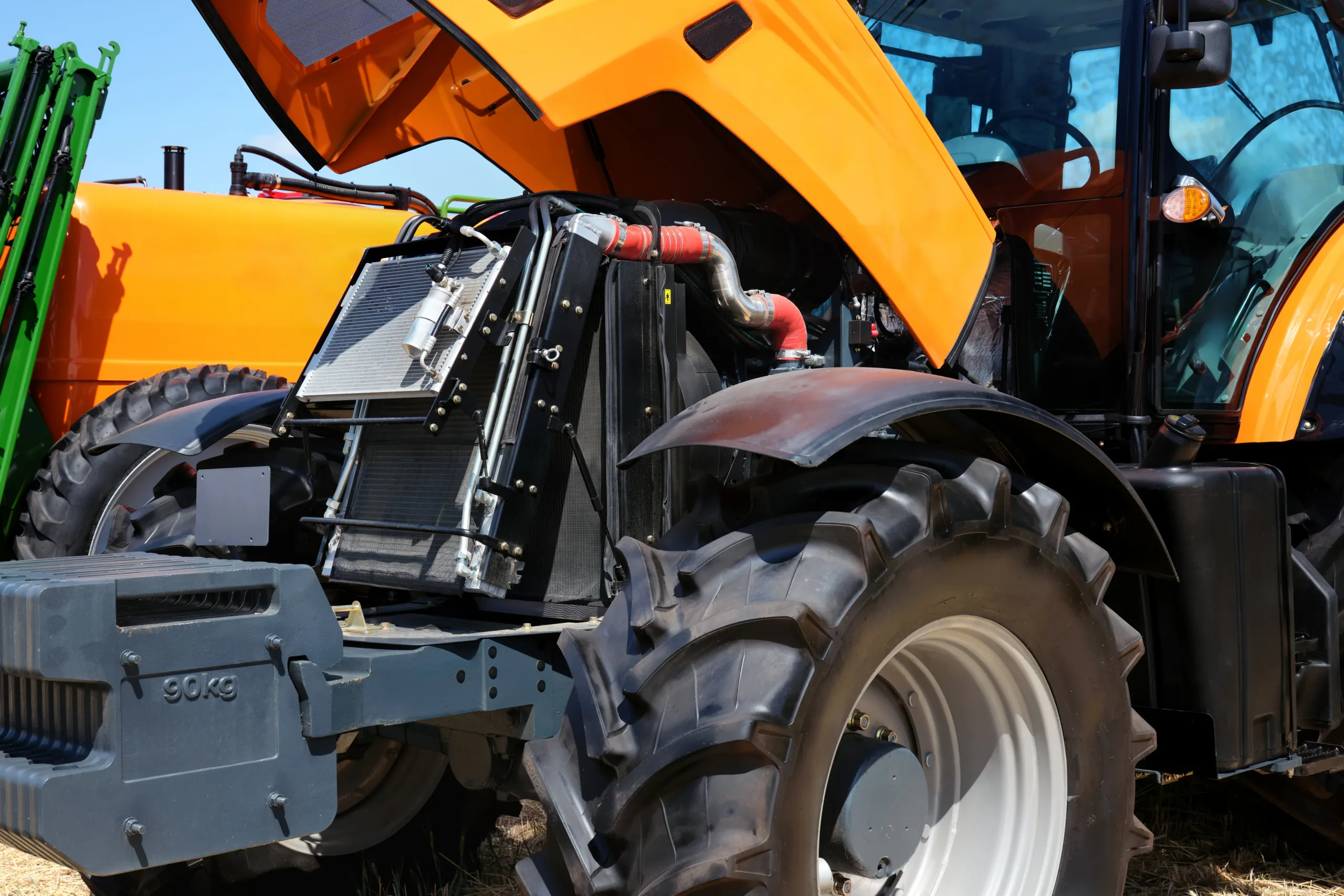
- Clean dust, chaff, and debris from radiator and charge air cooler fins using the method and pressure specified by the OEM, typically low-pressure compressed air or low-pressure water directed opposite normal airflow. Avoid bending the fins. Restricted airflow is a common contributor to overheating in agricultural environments.
- Check fan belts for tension, wear, and glazing; inspect fan blades and clutches.
Pressure Testing (Leak Detection)
Purpose: Identifies leaks in hoses, radiators, seals, gaskets, and the engine block that may not be visible under normal conditions.
Procedure:
- Use a handheld cooling system pressure tester kit (universal kits with adapters are widely available and suitable for ag equipment).
- Attach the tester to the radiator filler neck or reservoir cap.
- Pressurize the system only to the OEM specification or the pressure shown on the cap; never exceed the rated pressure.
- Hold pressure and monitor the gauge for drops over several minutes.
- Inspect for visible leaks while pressurized. Common leak points include lower radiator hoses, clamps, and water pump weep holes.
- Also test the radiator cap separately using the appropriate adapter to ensure it holds the correct pressure.
Benefits in Agriculture: Detects small leaks early, preventing coolant loss during long field days. Pressure testing is quick and can be done in the shop or field.
Coolant Analysis Through Condition Testing
Purpose: Assesses coolant health, protection levels, and signs of internal system degradation.
Field Testing (Quick Checks at OEM-Recommended Intervals)
- Refractometer: Commonly used to estimate glycol concentration and freeze protection. Use the correct scale for the coolant type, calibrate the instrument, and follow the manufacturer’s instructions.
- Test Strips: Compatible strips may check freeze point, pH, and nitrite or molybdate levels in certain conventional heavy-duty coolants. Extended-life or organic-acid coolant chemistry may require a coolant-specific field method or laboratory analysis. Always match the strip to the coolant in use.
- Measure pH and interpret the result against the coolant supplier’s, OEM’s, or laboratory’s limits for that specific formulation.
- Visual check for color, clarity, odor, and contamination.
Laboratory Coolant Analysis (at OEM-Recommended or Program-Specific Intervals)
- Send the sample volume specified for the selected Bureau Veritas test package; many comprehensive packages require at least 4 oz.
- Depending on the test package and coolant type, analysis may include freeze point or glycol concentration, pH, inhibitor levels, corrosion metals, contaminants, and scaling indicators.
- Results can identify chemistry and contamination patterns associated with corrosion, cavitation risk, overheating, coolant mixing, and possible mechanical issues. Suspected faults should be confirmed with the appropriate mechanical diagnostics.
Sampling Tips: Collect a representative sample from an installed sampling valve or with a clean vacuum pump while the coolant is warm and well mixed, following safe sampling procedures. Do not sample from the bottom of the radiator tank. If a drain is the only option, allow coolant to flow for 2–5 seconds before filling the bottle and note the sampling point on the submission form.
Thermostat and Flow Testing
- If the OEM procedure calls for bench testing, trained personnel can remove the thermostat and verify that it opens at the specified temperature using a safely controlled heating method.
- Use infrared (IR) thermography or a temperature gun to compare temperatures before and after the thermostat, at the radiator inlet and outlet, and across the engine while running. Abnormal temperature patterns may indicate restrictions or poor flow and should be compared with OEM specifications.
- Check water pump operation by listening for noise and verifying circulation.
Advanced and Non-invasive Diagnostics
- Infrared Thermography: Scan the radiator, hoses, and engine for hot/cold spots indicating blockages, failing components, or poor airflow.
- Borescope Inspection: Examine internal radiator tubes or coolant passages for buildup.
- Cooling System Flush and Flow Test: After draining, use the OEM-approved flushing procedure, water quality, and cleaner, then verify flow as specified.
- Telematics Integration: Many modern agricultural machines monitor coolant temperature and related warning conditions in real time; available parameters and alerts vary by model.
Recommended Testing Schedule for Ag Equipment
- Daily/Pre-use: Visual checks and coolant level.
- At OEM-Recommended or Seasonal Intervals: Perform pressure testing, compatible field coolant checks, and radiator cleaning as required by the machine’s service schedule and operating conditions.
- At the Interval Defined by the OEM or Monitoring Program: Submit a Bureau Veritas coolant sample and perform a comprehensive inspection. Seasonal or semiannual laboratory testing may be appropriate for some fleets and duty cycles.
- After Overheating Events: Once the machine is safely cooled, conduct a pressure test and full system evaluation, then submit the volume required for the selected Bureau Veritas coolant analysis package.
Safety Notes
- Never remove the radiator cap when the engine is hot due to the risk of severe burns from pressurized hot coolant.
- Use appropriate PPE, prevent releases to soil or drains, and store and dispose of used coolant in accordance with local requirements.
- Always use the manufacturer-recommended coolant type and concentration.
Implementing these testing methods as part of a preventive maintenance program can help reduce unplanned downtime, protect engine life, and control repair costs in demanding agricultural environments. For specific equipment models, consult the operator’s manual or an authorized dealer for tailored procedures and specifications.
Ready to strengthen your reliability strategy?
Explore Bureau Veritas coolant analysis services and coolant test packages for field-to-laboratory support. Bureau Veritas provides analytical fluid analysis across data center, nuclear, coal, natural gas, wind, and solar operations, helping operators protect critical cooling, lubrication, insulation, and fuel systems.
📩 ocminfo@bureauveritas.com

Author
Elizabeth Nelson
Coolant Program Manager
Elizabeth Nelson is our Coolant Program Manager at Bureau Veritas | Oil Condition Monitoring, bringing over 30 years of experience in coolant analysis, fluid condition monitoring, and technical program support. She specializes in helping clients understand coolant performance, system health, and maintenance risks to support better reliability decisions.