Preparing Heavy-Duty Diesel Engine Cooling Systems for Summer
Seasonal coolant system checks to help protect heavy-duty diesel engines from heat-related downtime
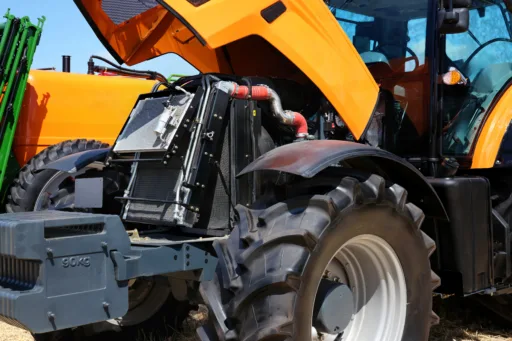
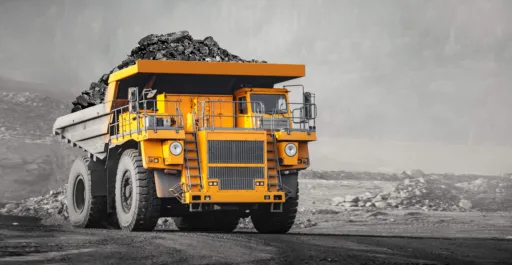
Heavy-duty diesel engines power long-haul trucks, buses, construction equipment, mining assets, and agricultural machinery. During summer, higher ambient temperatures and sustained operating loads can place additional stress on the cooling system. When cooling performance declines, the result may include overheating, accelerated lubricant degradation, reduced component life, and unplanned downtime.
A Heavy-Duty Diesel Cooling System Is More Than a Radiator.
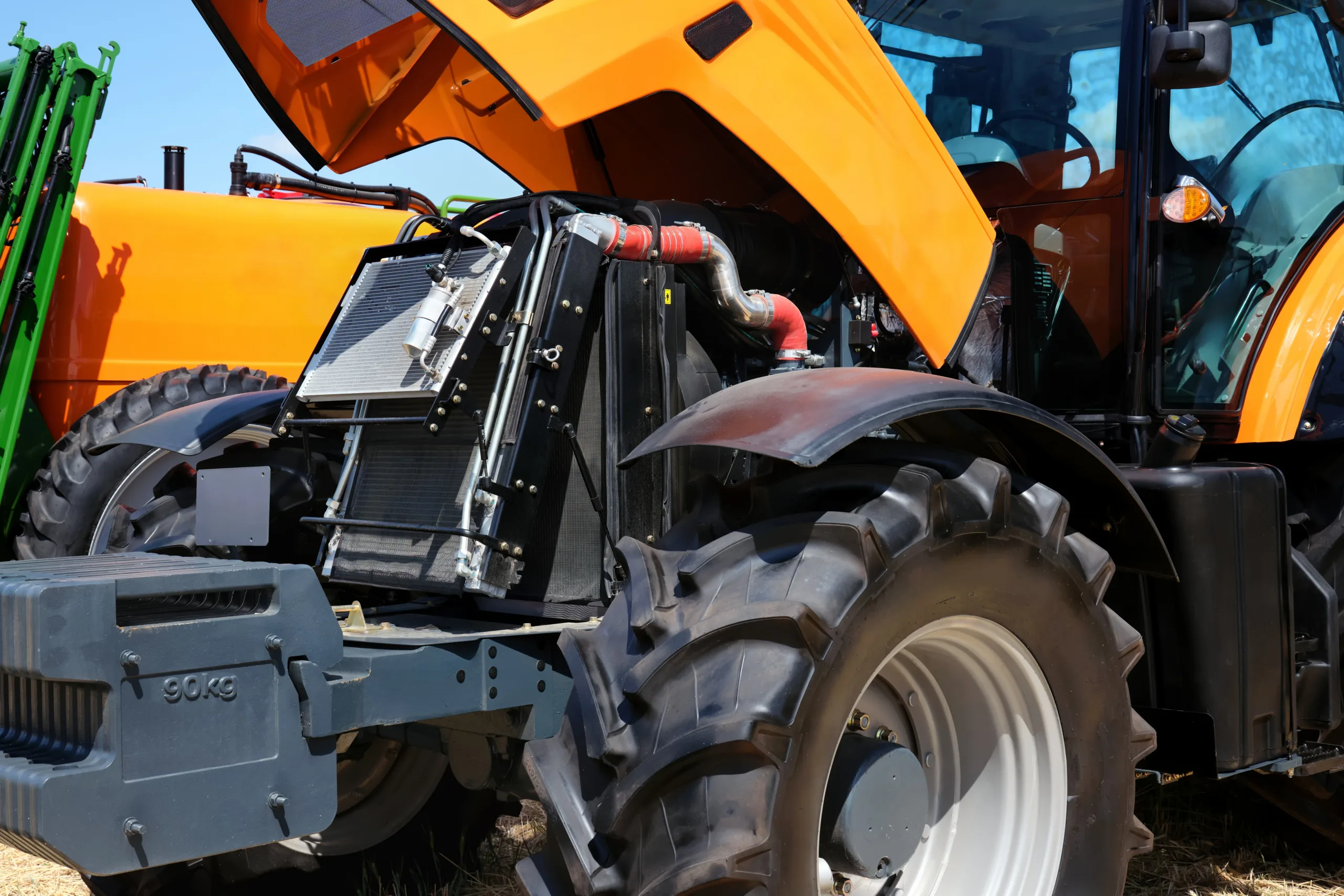
It is a pressurized system that may include the radiator, charge air cooler, fan clutch or electric fan, water pump, thermostat, belts, hoses, coolant filter, overflow tank, and coolant formulated for heavy-duty service. The coolant must not only transfer heat, but also protect internal surfaces from corrosion, scale, liner cavitation, additive depletion, and contamination-related failure.
Summer preparation should combine practical inspection with routine coolant analysis. A laboratory coolant analysis program can help determine whether the coolant remains suitable for service, coolant mixing has occurred, additives are depleted, contaminants are present, and the coolant should be replenished or replaced.
Recommended preparation steps include:
- Check coolant level only when the engine is cold and inspect for visible leaks around hoses, clamps, the radiator, water pump, heater core, and overflow tank.
- Pressure test the system according to the OEM specification or pressure-cap rating. Avoid exceeding the rated system pressure.
- Inspect hoses and belts for cracking, swelling, glazing, soft spots, oil contamination, or signs of age-related deterioration. Replace components based on condition and fleet/ OEM preventive maintenance intervals.
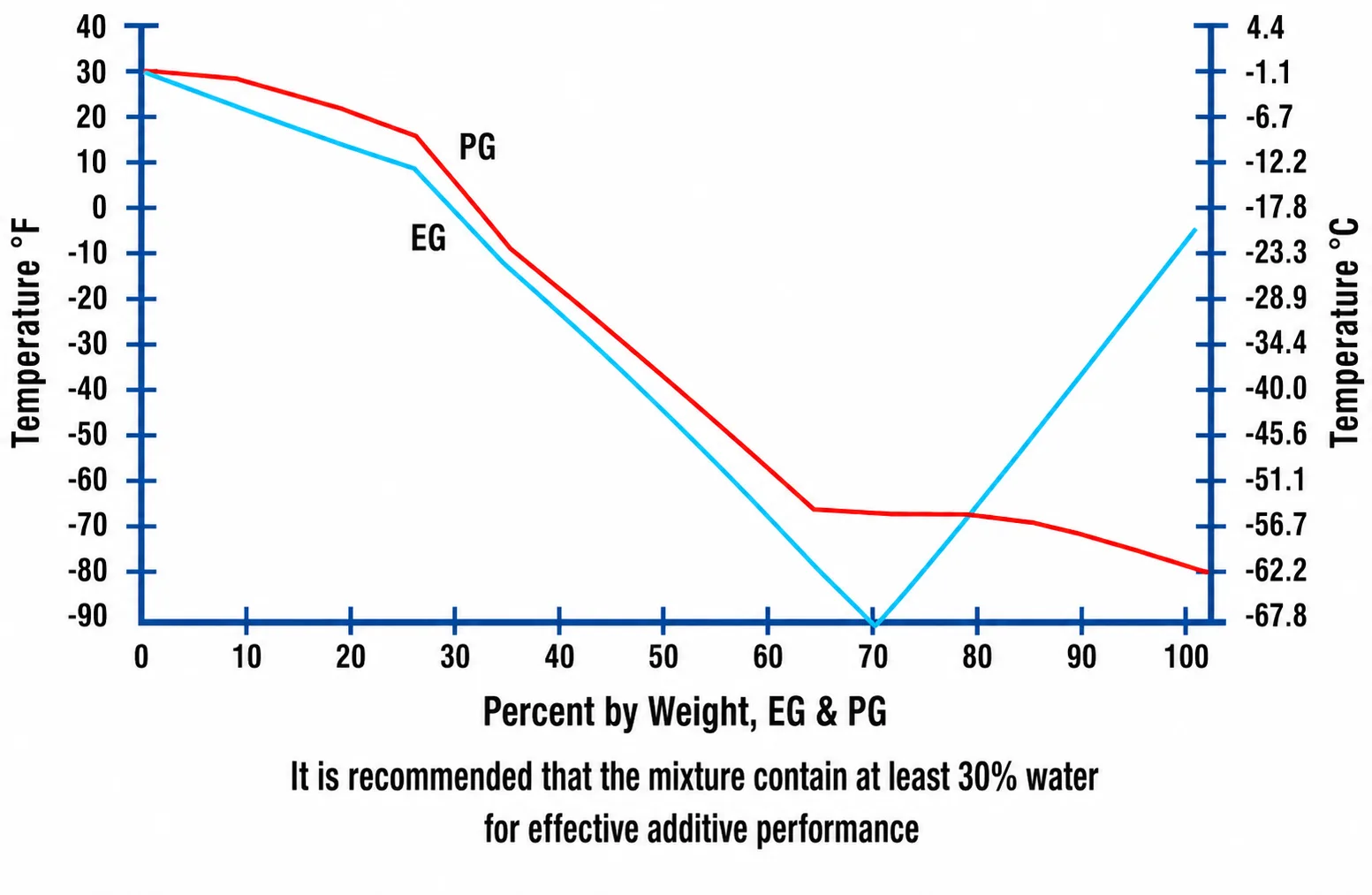
- Review coolant concentration, freeze/boil protection, pH, inhibitor levels, contamination, and signs of coolant mixing through routine coolant analysis. Semi-annual testing is a practical starting point for many heavy-duty programs, while high-value or severe duty assets may require more frequent monitoring.
- Compare abnormal coolant findings with oil analysis, fuel analysis, maintenance history, and equipment symptoms to support root cause investigation. Oil and coolant analysis work best together because cooling system issues can influence oil temperature, viscosity, oxidation, and engine wear.
- If coolant replacement is required, flush the system according to OEM guidance and refill with approved premixed coolant or the correct coolant concentrate blended with high-quality, distilled, or deionized water. Avoid tap or hose water unless it meets the OEM’s water quality requirements.
Coolant/ Antifreeze Premium (Conventional) Test
Radiator And Airflow Maintenance Are Also Critical.
Clean bugs, dust, and debris from the radiator and charge air cooler using appropriate low pressure methods. Straighten damaged fins where possible, confirm that the fan clutch or electric fans operate correctly, and inspect belt tensioners for wear. Reduced airflow can quickly affect cooling performance during high temperature operation.
After service, bring the engine to operating temperature and confirm that coolant circulates properly, the thermostat opens as expected, the overflow tank cycles correctly, and no air pockets remain in the system. If a unit repeatedly overheats under normal duty conditions, review the issue with the OEM, dealer, or service provider before considering cooling-system modifications.
A well maintained cooling system helps stabilize oil temperature, protect internal components, support EGR and after treatment operation, and keep equipment productive when heat and workload are at their highest.
For heavy duty equipment and fleets, consider adding a summer specific service bulletin from the OEM or installing a higher capacity radiator if the equipment consistently operates in extreme heat or high altitudes. These quick checks can be quickly and easily incorporated into companies PM schedule.
By investing an afternoon in these steps, operators avoid the cascade of failures that summer heat can trigger.
A well-prepared cooling system keeps oil temperatures stable, EGR coolers efficient, and emissions systems compliant. More importantly, it keeps drivers moving and equipment productive. In heavy-duty diesel work, the best defense against summer downtime is a cooling system that has already been readied for the heat.
Coolant/ Antifreeze Premium (ELC) Test
Support
To learn more about LOAMS or to request a demo or support for your coolant analysis program, contact:
ocminfo@bureauveritas.com

Author
Elizabeth Nelson
Coolant Program Manager
Elizabeth Nelson is our Coolant Program Manager at Bureau Veritas | Oil Condition Monitoring, bringing over 30 years of experience in coolant analysis, fluid condition monitoring, and technical program support. She specializes in helping clients understand coolant performance, system health, and maintenance risks to support better reliability decisions.