
Heavy-Duty Coolant Analysis During Supply Pressure
Learn how heavy-duty coolant analysis helps verify coolant condition, reduce unnecessary changeouts, protect equipment, and support maintenance decisions during supply pressure.
Heavy-duty cooling systems in trucks, construction equipment, mining equipment, power generation assets, and industrial machinery operate under demanding heat loads. In these systems, coolant does more than move heat. It also supports corrosion protection, cavitation control, freeze protection, boil-over protection, and overall cooling-system reliability.
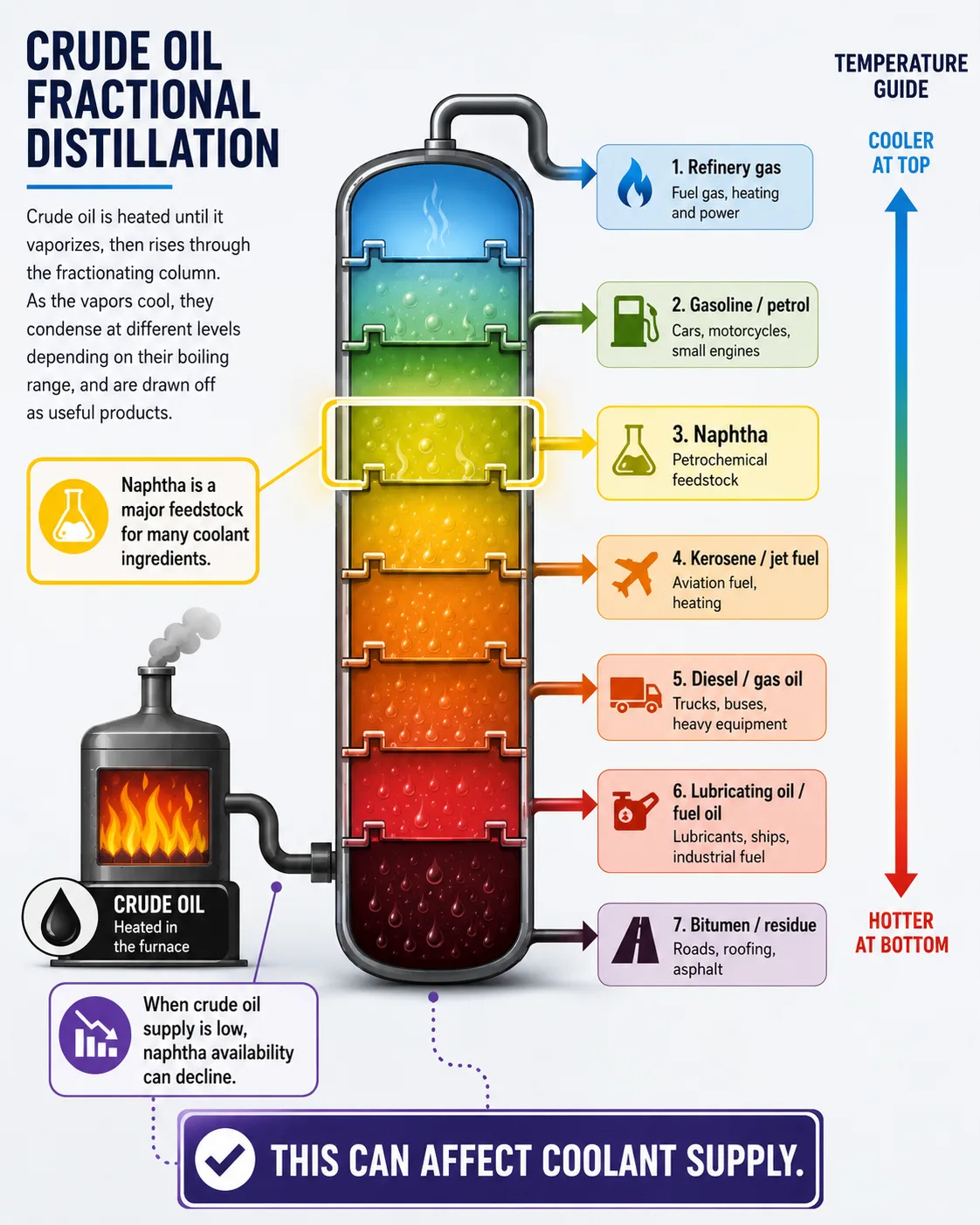
As global oil and petrochemical markets face supply pressure, coolant buyers may see the impact through higher costs, longer lead times, or changes in product availability. That does not mean coolant is simply a crude-oil product. However, important coolant inputs, including glycol and additive chemistry, are connected to the broader petrochemical supply chain.
For operators, the greater risk is not that market conditions change the chemistry already inside the engine. The greater risk is operational: delayed maintenance, incorrect top-offs, over-dilution, or extended service decisions made without testing.
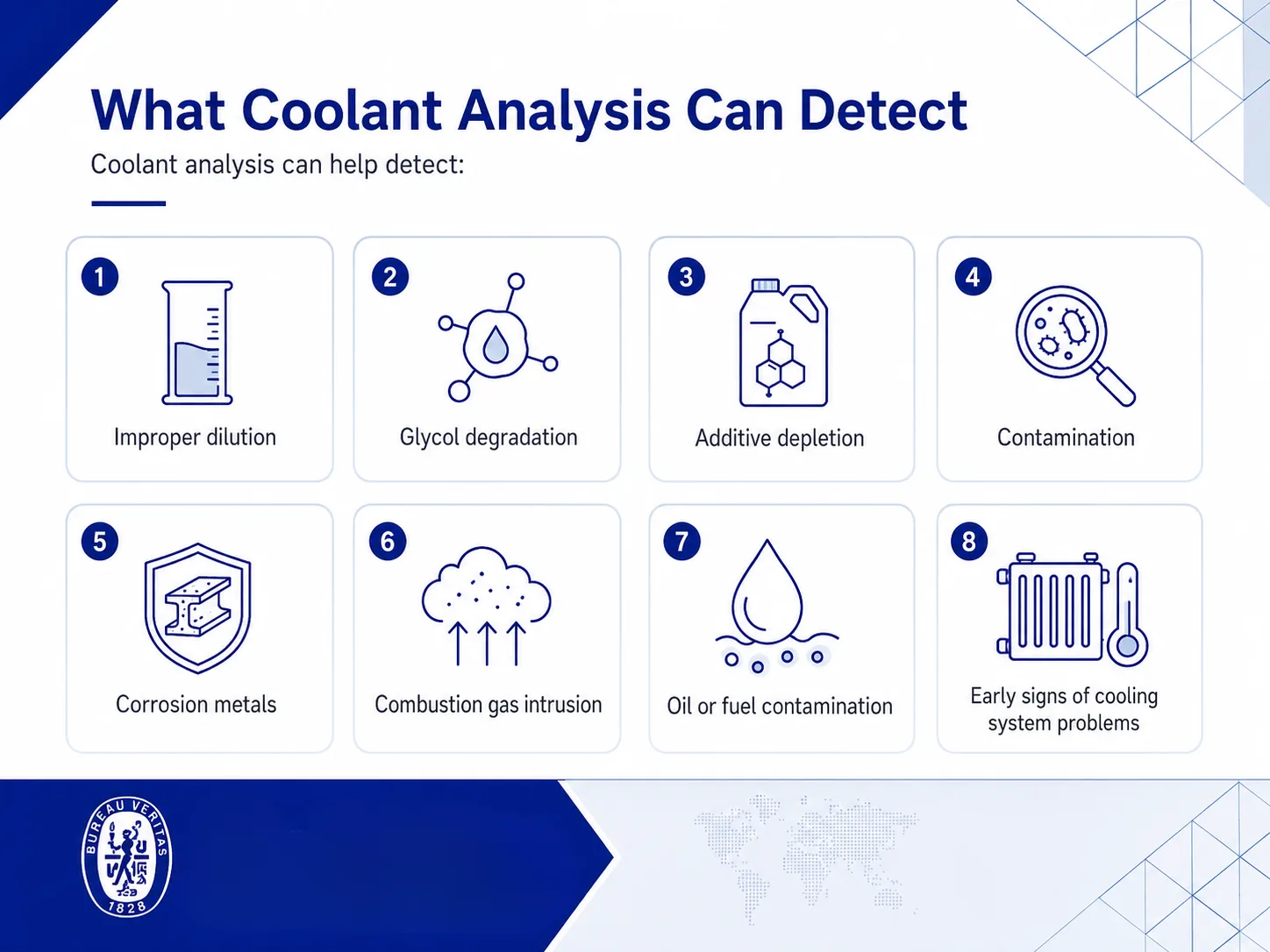
That is where heavy-duty coolant analysis becomes valuable. A proactive coolant testing program helps verify coolant condition, identify contamination or degradation, and support confident decisions about whether coolant can remain in service, needs correction, or should be replaced.
How Supply Pressure Can Affect Heavy-Duty Coolants
Engine coolants are typically built around glycol, water, and an inhibitor package designed to protect system metals and components. In heavy-duty applications, operators may encounter conventional formulations, Organic Acid Technology, Nitrited Organic Acid Technology, or nitrite-free extended service coolant chemistry, depending on the OEM and application.
When crude oil and petrochemical supply chains are under pressure, coolant cost and availability may be affected in several ways.
Glycol Feedstock and Production Costs
Ethylene glycol is one of the most common base fluids used in heavy-duty antifreeze and coolant. It is connected to petrochemical production through ethylene and ethylene oxide chemistry. When energy markets, feedstock availability, or chemical production capacity are disrupted, those pressures can move downstream into coolant pricing and product availability.
Additive Package Availability
Coolant performance depends on inhibitor chemistry, not just glycol content. Heavy-duty coolants rely on specialized additives to help protect against corrosion, cavitation, scale, and metal degradation. If specialty additive supply becomes constrained, certain approved formulations may become more expensive or harder to source.
Packaging and Distribution Challenges
Even when coolant chemistry is available, packaging and logistics can still affect delivery. Coolant is commonly distributed in jugs, pails, drums, totes, and bulk containers. Packaging materials, freight capacity, and distribution timelines can all influence how quickly products reach maintenance facilities.
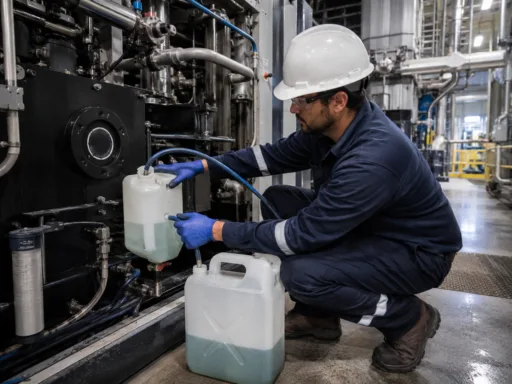
Make Every Gallon Count: Test Coolant Before You Replace It
What This Means for Heavy-Duty Operators
Supply pressure does not automatically reduce the performance of coolant already in service. What it changes is the maintenance environment around that coolant.
When budgets tighten or the preferred product is harder to get, teams may be tempted to delay service, top off with what is available, add water without verifying concentration, or mix chemistries to keep equipment running. These decisions may seem practical in the moment, but they can increase equipment risk if they are not supported by testing.
Poor coolant management may contribute to:
- Corrosion inside the cooling system
- Scale and mineral deposits
- Cavitation damage
- Reduced heat transfer
- Hose and seal degradation
- Overheating
- Water pump or radiator issues
- Shortened component life
- Unplanned downtime
Modern heavy-duty engines often operate under high thermal stress. That makes coolant condition, chemistry compatibility, and routine testing especially important.
How to Extend Coolant Life Safely
The goal is not to keep coolant in service longer just to postpone a purchase. The goal is to confirm, with data, whether the coolant can continue protecting the system.
- Choose the Correct Coolant Technology Always start with the OEM requirement. Different coolant technologies are designed for different systems, materials, operating conditions, and service intervals. Organic Acid Technology, Nitrited Organic Acid Technology, conventional heavy-duty coolant, and nitrite-free formulations may each have different maintenance requirements. Avoid mixing coolant types unless compatibility has been confirmed. Mixing different coolant technologies may reduce protection, affect additive performance, or shorten the effective service interval.
- Maintain Proper Coolant Concentration Coolant concentration affects freeze protection, boil-over protection, corrosion protection, and heat transfer. Operators should follow OEM and coolant manufacturer recommendations for the specific application. Testing concentration regularly helps confirm that the coolant is not over-diluted or over-concentrated.
- Use the Right Water and Mixing Practice If coolant concentrate is mixed on site, water quality matters. Untreated tap water can introduce minerals that contribute to scale, deposits, and corrosion. Deionized, distilled, or properly treated water is preferred when mixing concentrate. Prediluted coolant can also reduce water-quality concerns because it is supplied with treated water already blended into the product.
- Test Coolant Regularly Laboratory coolant analysis should be part of a preventive maintenance program. Testing before periods of high seasonal demand can help identify issues before extreme temperatures or heavy operating loads create additional stress.
- Top Off With the Same Coolant Type Topping off with the wrong coolant can create chemistry conflicts and reduce protection. Topping off with only water can dilute the coolant and weaken freeze, boil-over, and corrosion protection. Maintenance teams should clearly label bulk coolant tanks and confirm which coolant belongs in each asset.
- Follow Flush and Fill Guidelines Follow OEM and coolant manufacturer recommendations for coolant service intervals. Some coolant technologies require shorter service intervals, while extended service formulations may remain in service longer when properly monitored. When coolant replacement is required, the system should be flushed correctly. A simple drain and refill may leave old coolant, deposits, or contaminants behind.
- Keep the Cooling System Clean Coolant performance depends on the condition of the entire cooling system. Radiators, charge air coolers, heat exchangers, hoses, belts, water pumps, thermostats, pressure caps, and fans should be inspected regularly. Dust, debris, scale, leaks, and airflow restrictions can increase operating temperatures and reduce cooling system efficiency.
- Control Contamination and Over-Dilution Oil, fuel, exhaust gas, hard water, dirt, and incompatible coolant can all affect coolant condition. Overheating events can also accelerate glycol degradation, acid formation and and degradation of the lubrication system fluids. In a tight supply environment, contamination often begins with small compromises: an unverified top-off, an emergency mix, or a ratio that drifts away from specification. Finding these issues early helps prevent small problems from becoming costly repairs.
- Track Coolant Data Over Time Coolant analysis becomes more useful when results are trended instead of viewed as one-off snapshots. Keep a record of coolant type, top-off history, concentration checks, lab results, operating hours, mileage, and corrective actions. This gives maintenance teams a stronger basis for replacement decisions during periods of cost pressure or product uncertainty.
Why Heavy-Duty Coolant Analysis Matters
During supply pressure, coolant analysis helps operators avoid two costly mistakes: replacing coolant too early without evidence or pushing service too long without verification.
In practical terms, a strong coolant analysis program supports better replacement timing, improved maintenance planning, earlier problem detection, and lower risk of cooling-system damage. It does not replace OEM guidance or physical inspection, but it gives operators a stronger basis for deciding when coolant can stay in service and when it should be corrected or replaced.
COOLANT ELC KITS
Bottom Line
Global supply pressure can affect heavy-duty coolant users through cost, lead time, and product availability. However, these market conditions do not directly degrade coolant already in service.
The real risk comes from rushed maintenance choices: wrong-product top-offs, uncontrolled dilution, chemistry mixing, and interval decisions made without testing.
A disciplined coolant analysis program is one of the most practical ways to respond. It helps teams protect equipment, make smarter replacement decisions, and preserve reliability when supply conditions are less predictable.
Always match the coolant to OEM requirements, follow the product’s stated concentration limits, and use lab data before deciding whether to correct, replace, or continue using coolant in service.
Ready to strengthen your reliability strategy?
Bureau Veritas provides analytical fluid analysis across data center, nuclear, coal, natural gas, wind, and solar operations, helping operators protect critical cooling, lubrication, insulation, and fuel systems.
📩 ocminfo@bureauveritas.com

Author
Elizabeth Nelson
Coolant Program Manager
Elizabeth Nelson is our Coolant Program Manager at Bureau Veritas | Oil Condition Monitoring, bringing over 30 years of experience in coolant analysis, fluid condition monitoring, and technical program support. She specializes in helping clients understand coolant performance, system health, and maintenance risks to support better reliability decisions.