
Oil Drain Optimization: How Oil Analysis Helps Safely Extend Engine Oil Drain Intervals in South Africa
Learn how condition-based oil analysis can support safe engine oil drain interval extension, reduce maintenance costs, and deliver measurable savings in mining operations.
Oil Drain Optimization
Optimizing oil drain intervals is one of the most valuable – yet often underused, applications of oil analysis. While oil drains are typically scheduled according to time-based OEM recommendations, monitoring the condition of key oil properties during regularly scheduled preventive maintenance can provide the additional information needed to safely extend those intervals, in some cases by as much as 100%.
Although drain interval optimization can apply to many lubricated components, the greatest cost savings are often achieved with engine oils. It is important to note, however, that oil drain extensions are not recommended for equipment still under OEM warranty unless specifically reviewed and approved by the OEM. Working closely with your oil analysis provider, lubricant supplier, and, where applicable, your filter supplier can help determine whether the engine remains in good health while optimizing the drain interval.
Fuel Consumption
Engines burning fuel at an abnormal rate are typically not good candidates for drain interval extension, as both the engine and the lubricant are generally already under increased stress.
Operating Conditions
Other factors, such as environment, also play a role. Extremely dusty conditions can potentially introduce abrasive materials which then require the oil to be drained prematurely to prevent any abnormal wear.
Case in Point
Customer: South African Mining Company
Extension Goal: 100%
Estimated Savings in Consumption: $449,000
Introduction
A South African mining company, supported by Bureau Veritas, conducted and documented a study to optimize diesel engine oil drain intervals for two Komatsu HD465 Rigid Dump Trucks within a fleet of 20 units. The objective was to safely extend the oil drain interval to between 1,200 and 1,300 hours, allowing for a 20–30% safety margin before rollout across the full fleet.
Following the standard 500-hour drain interval, oil sampling frequency was extended to 1,000 hours. Filter differential pressures were monitored weekly to confirm there were no flow restrictions, and fuel cleanliness was evaluated by particle counting to avoid contamination and fluctuations in fuel consumption.
Testing & Analysis
The test slate included a number of parameters necessary to safely reaching the extended oil drain target of 1000 hours.
Spectrochemical Analysis
Spectrochemical analysis, typically performed by ICP (Inductively Coupled Plasma), is one of the most common engine oil tests. It identifies trends in wear metals, contaminants, and additive elements, helping indicate changes in lubricant condition as well as overall component health.
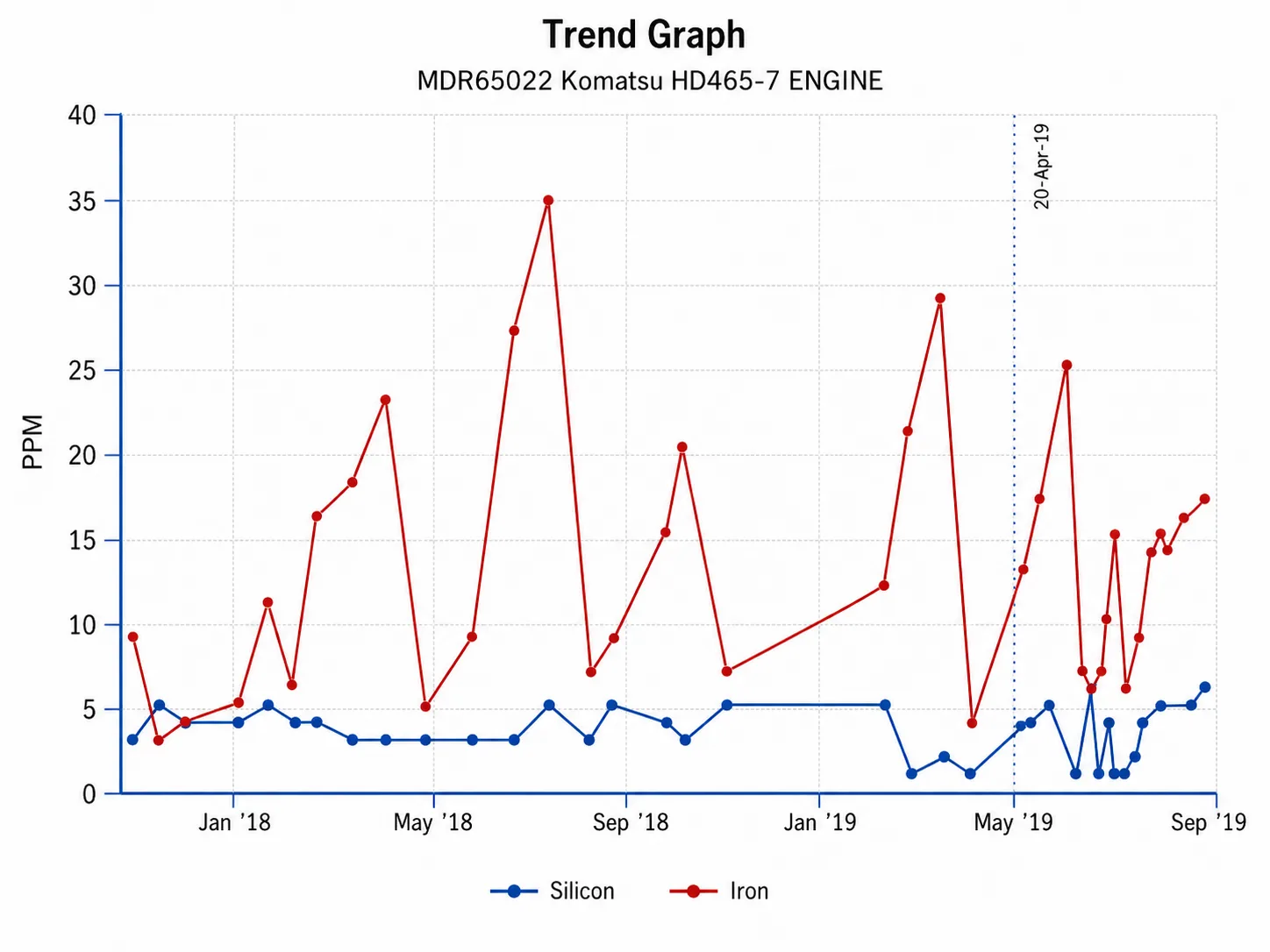
Fig 1. General Wear Graph – Iron level did not exceed 30ppm, which was below the OEM limit.
Additive elements were also monitored to confirm that the correct lubricant was being used and that no lubricant mixing occurred during top-ups.
Oil degradation through contamination is one of the most common reasons for premature oil drains. Silicon, often associated with dirt ingress, should be addressed immediately when elevated.
Viscosity
Viscosity is one of the most important physical properties of a lubricant and can be influenced by several operating and contamination-related factors. An increase or decrease in viscosity can help determine whether the oil remains within the recommended grade for the application. When reviewed alongside other oil analysis results, viscosity can provide a clear picture of what is occurring within the component.
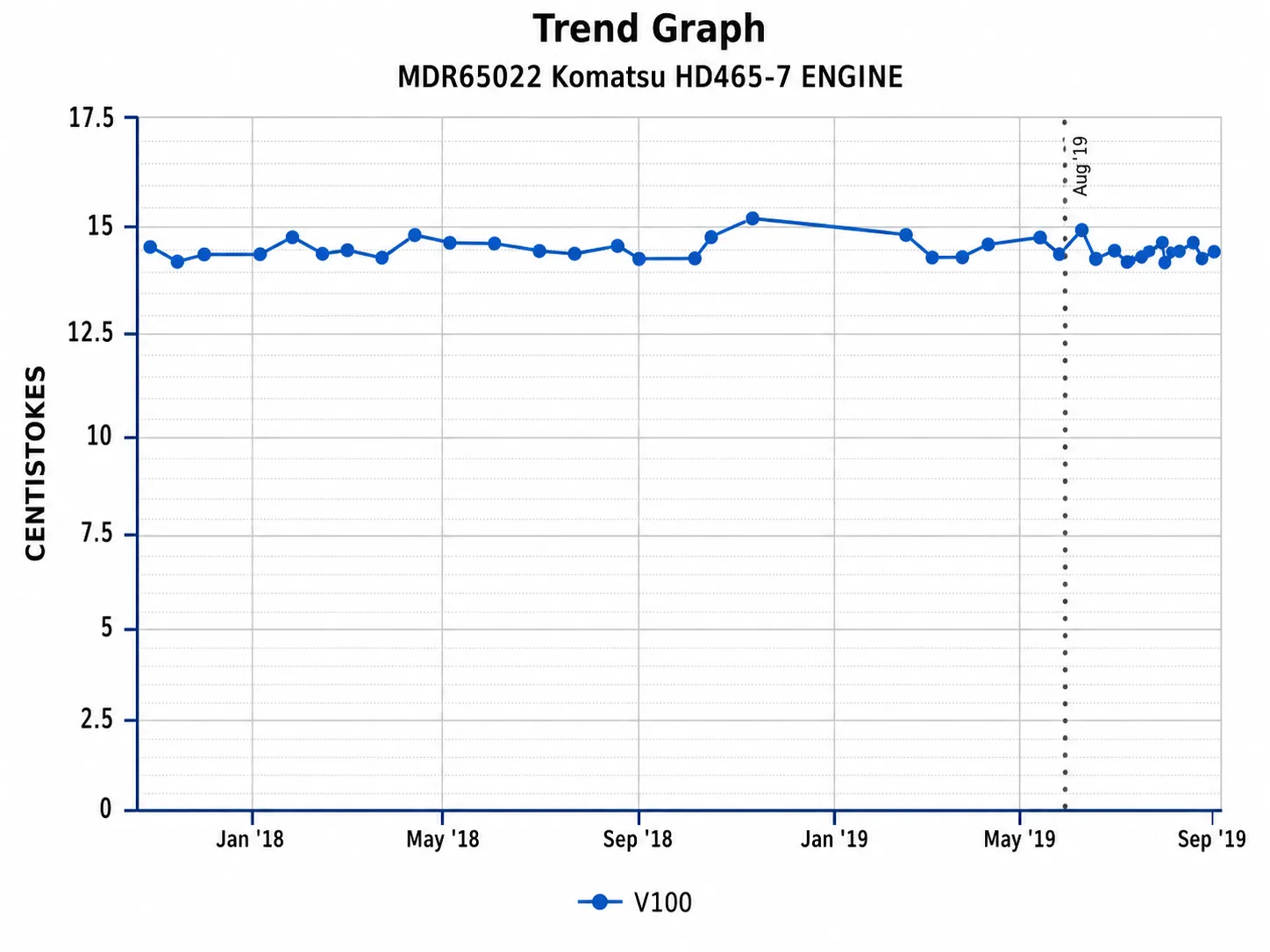
Fig 2. Viscosity Graph – Viscosity remained flat showing little deviation from the fresh oil to the oil at 1000 hours.
Soot and Infrared Analysis
Infrared analysis was used to evaluate parameters such as soot and oxidation. Fuel soot accounts for a significant portion of the solid contaminants found in modern diesel engine oils, making it an important factor in drain interval optimization. Soot is created through incomplete combustion and enters the crankcase oil through ring blow-by.
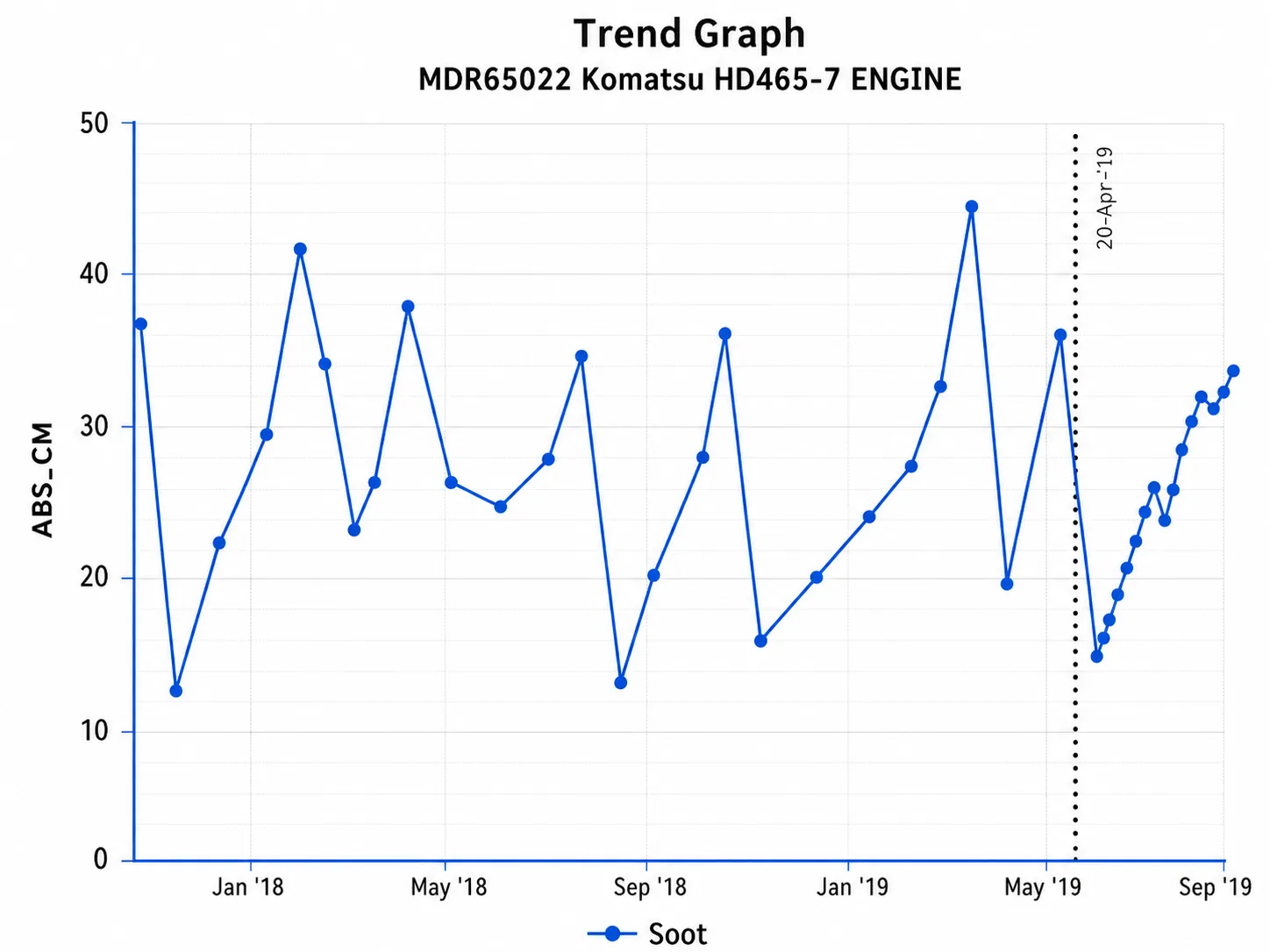
Fig 3. Soot graph – Soot levels remained acceptable throughout the study.
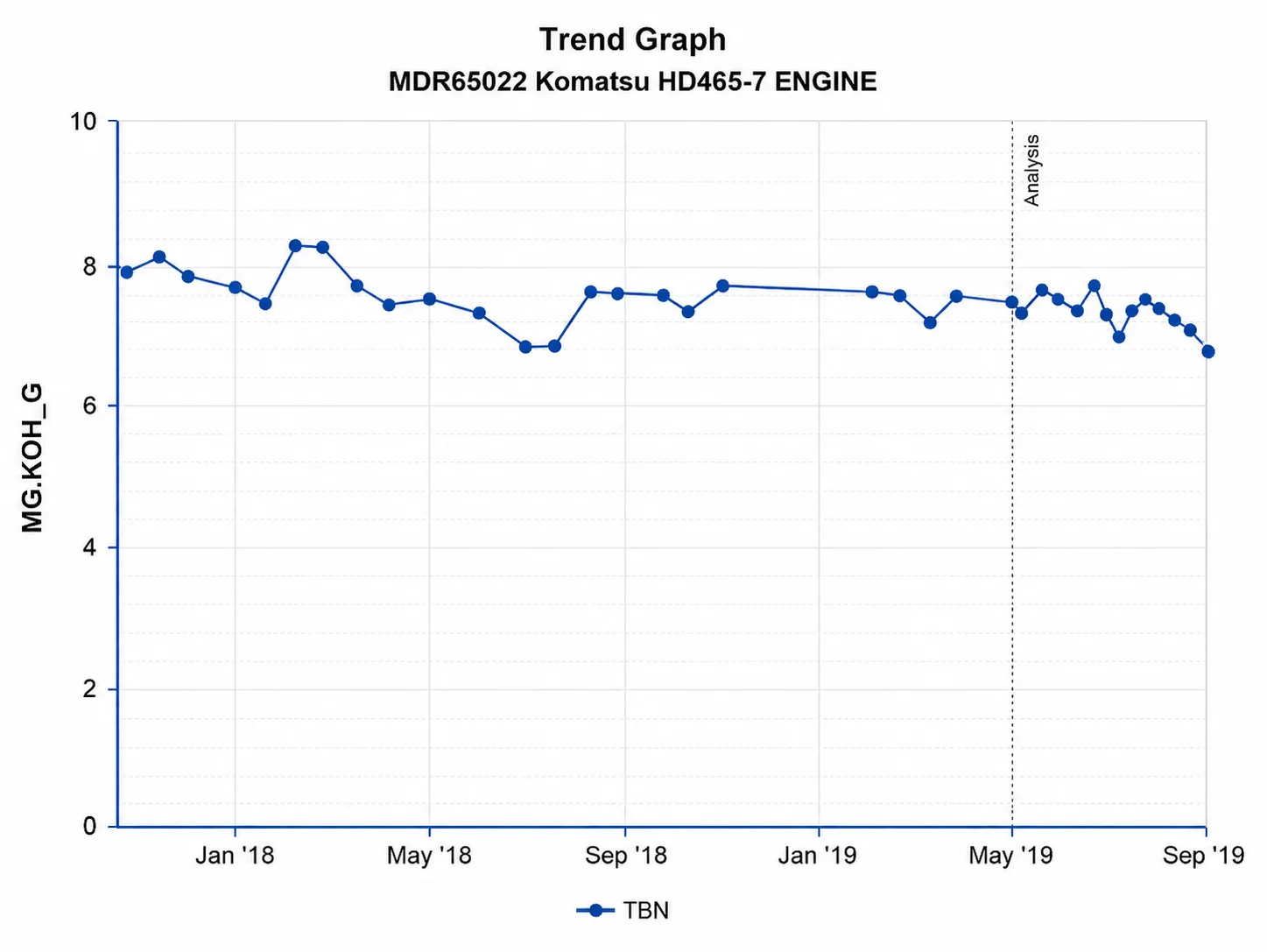
Fig 4. TBN graph – There were no sudden increases in TBN throughout the study.
Total Base Number (TBN)
Base Number, commonly referred to as BN or TBN, represents the reserve alkalinity of the oil. This reserve helps neutralize acids formed during operation. A decline in BN may indicate depletion of detergent additives, increased oxidation, or acid formation.
Although these were the main tests monitored in the study, fuel dilution and water contamination were also evaluated. Fuel dilution may reduce viscosity to the point where the oil can no longer maintain the required load-carrying film between moving parts, resulting in premature wear.
Water contamination in any lubrication system can also reduce oil performance. Water may enter the system through leakage, combustion by-products, condensation, or improper lubricant storage.
Cost Savings Calculation
The savings achieved by extending the drain interval, as calculated by the customer, are as follows:
Savings estimated at R, 14,600 ($ 884.18 USD) per machine and savings for the entire fleet of 20 machines estimated at R 292,000 ($ 17,683.59 USD) per year. Applying this over a potential 40,000 hours, which translates into around 8.13 years, the savings are estimated at R 2,373,960.00 ($143,767.56 USD).
Considering a supplier change or cost reductions in the open market, the further cost savings are R 31,000 ($1,877.44 USD) per machine and for the fleet R 620,000 ($ 37,548.71 USD) per annum. Applying this over a potential 40,000 hours, which translates into around 8.13 years, the savings are estimated at R 5,040,600.00 ($ 305,276.53 USD).
Conclusion
In summary, engine oil drain intervals can be safely extended when supported by a structured oil analysis program, representative sampling practices, and complete oil and equipment information. By monitoring key parameters such as wear metals, contaminants, viscosity, soot, oxidation, fuel dilution, water contamination, and TBN, maintenance teams can make more informed decisions, reduce unnecessary oil changes, and achieve significant cost savings without compromising equipment reliability.

Author
Deepak Deepnarain
CLS, OCM Lab Manager, Africa
Deepak brings over 15 years of experience in oil condition monitoring and lubricant analysis across industrial and mining sectors. He leads Bureau Veritas lab operations across the African continent and is a Certified Lubrication Specialist.